Revisiting ‘Tall Tales’
From an early age I was both fascinated and troubled by ghost stories and the supernatural. This is true for most children, but these influences deepened when I later discovered painting and sculpture with religious or mythical themes. I would spend my days drawing the human figure and fantastic creatures in scenarios of my own making, and to this day finding inventive approaches to the figure has remained a central concern in my art.
I created this series of paintings inspired by eight fantastical stories connected to the history of West Berkshire. Through instinctive decisions over colour and form I allowed each ‘figure’ to emerge with the hope that hope they could serve to celebrate, and at the same time question, our relationship with the past and storytelling.
I’m reflecting on the ‘Tall Tales’ series again now since the exhibitions I am working towards in 2027 will also be inspired by myths, folklore and the supernatural. Although the series was by no means my first foray into other-worldly themes new approaches to picture-making arose, which involved tracing of emblematic forms and digressive symmetry. I don’t aim to create new work that looks like a ‘Tall Tales part 2’ but as a starting point these eight paintings serve as useful antecedents.
~
The Berkshire Lady
Frances Kendrick born 1687 was the daughter of the 2nd Baronet Sir William Kendrick. The ballad ‘The Berkshire Lady’ tells how she hid her identity behind a mask and challenged a handsome suitor, Benjamin Child, to duel to the death or to marry. It was a happy marriage but she died just 15 years later at the age of 35. Childs went on to build a house that overlooked where they first met: Prospect Park.
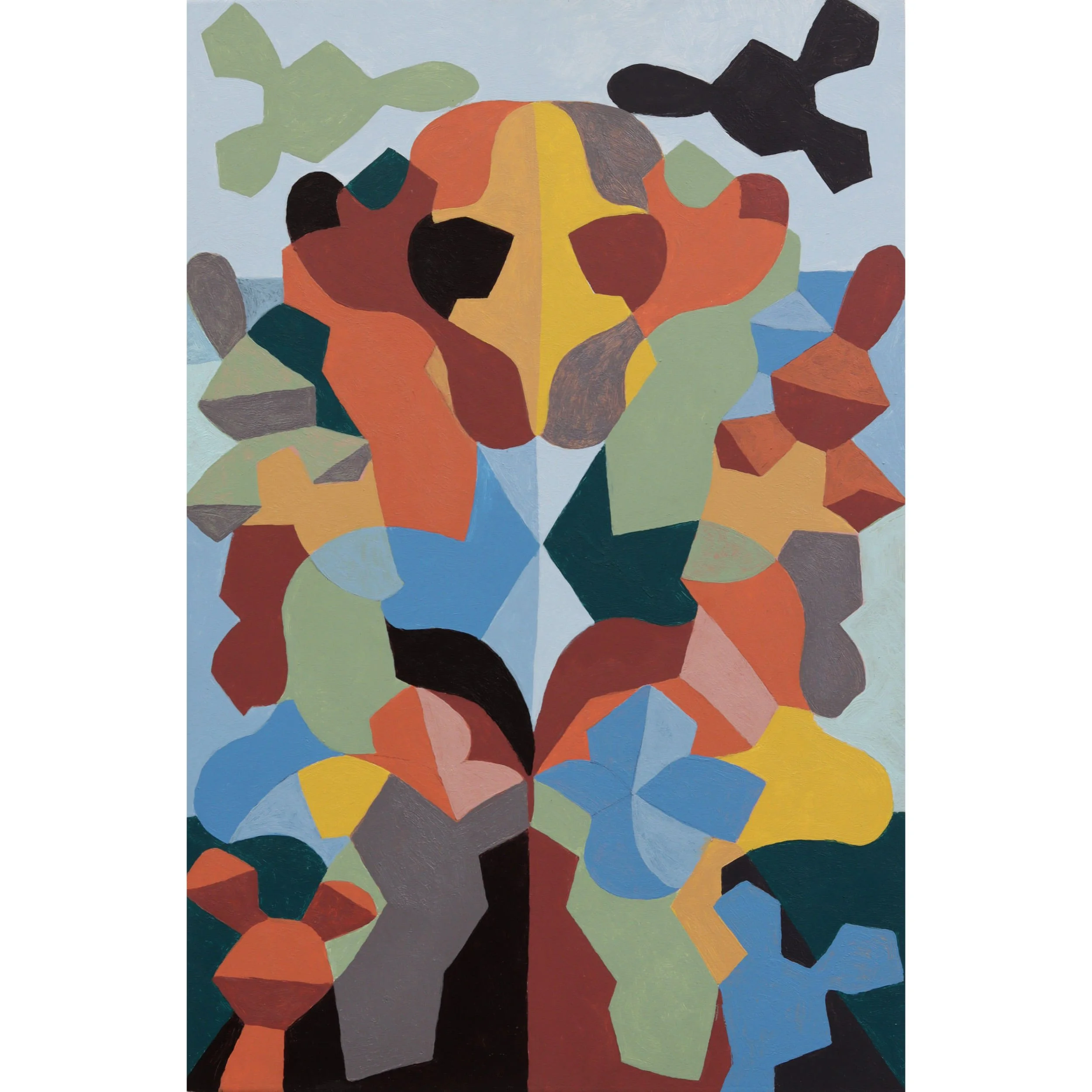
The Berkshire Lady, 2024, acrylic on wood, 31 × 21 cm
~
Kintbury’s Sunken Bell
After a storm the tower of Kintbury church collapsed and the bell sank into the Kennet. A wizard instructed the parishioners to fix chains to the head the bell and have twelve white heifers led by twelve maidens dressed in white to retrieve the bell in total silence. Any noise and the spell would be broken. Suddenly the Kintbury witch called out: ‘Here comes the Great Kintbury Bell in spite of all the devils in Hell.’ The chains snapped and the bell sank forever.
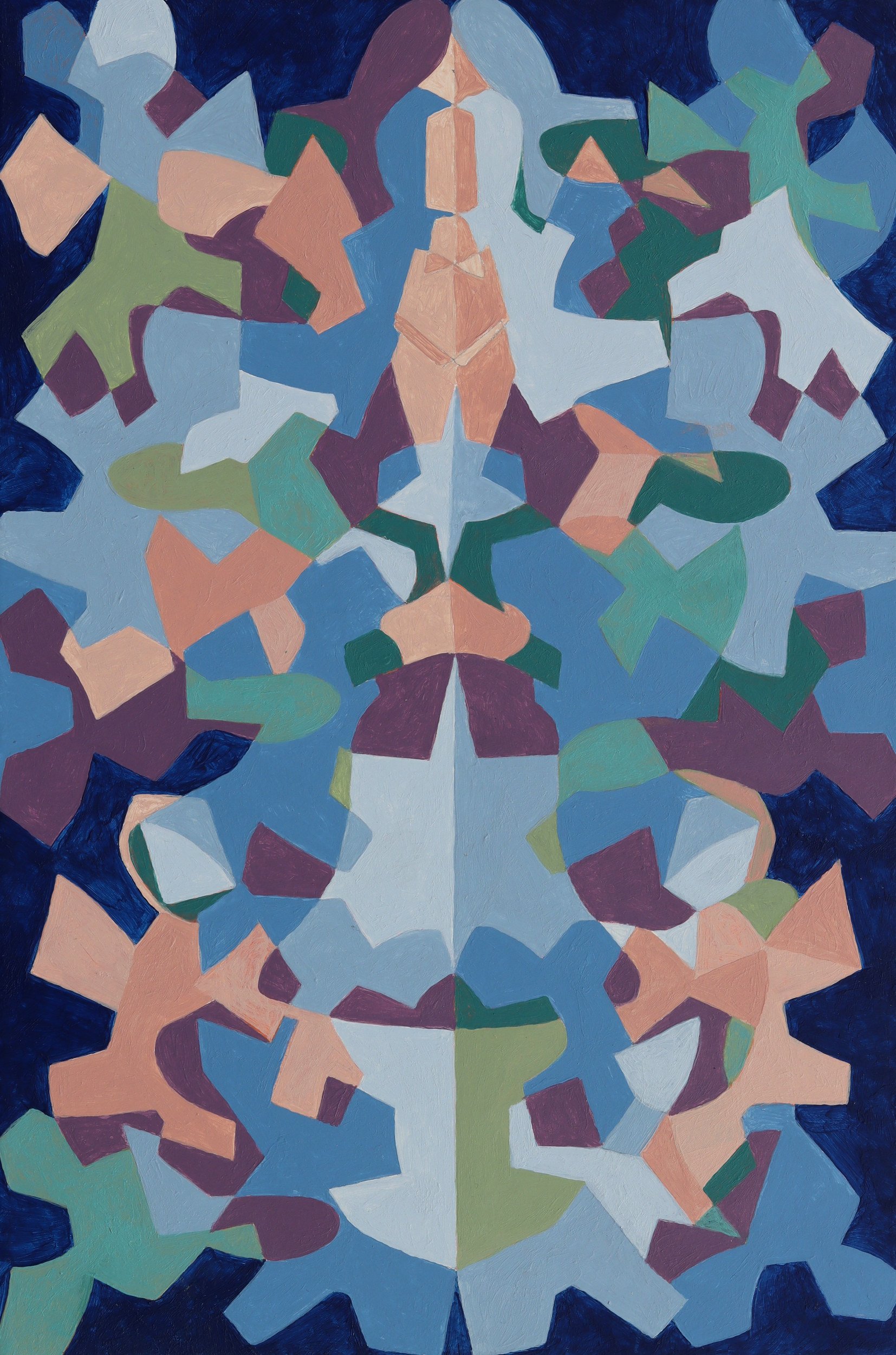
Kintbury’s Sunken Bell, 2024, acrylic on wood, 31 × 21 cm
~
The Treasure of Hawthorn Hill
A poor man of Hawthorn Hill dreamt that if he travelled to London and stood on London Bridge he would become rich. A passing Londoner told him he had dreamt of a pot of gold under a thorn tree but he would be a fool to go looking for it. The man returned to Hawthorn Hill and unearthed a pot of gold with a latin phrase. Years later he was told it read: ‘Where this stood, there’s another, twice as good.’ Digging deeper he found a second pot of with double the first hoard.
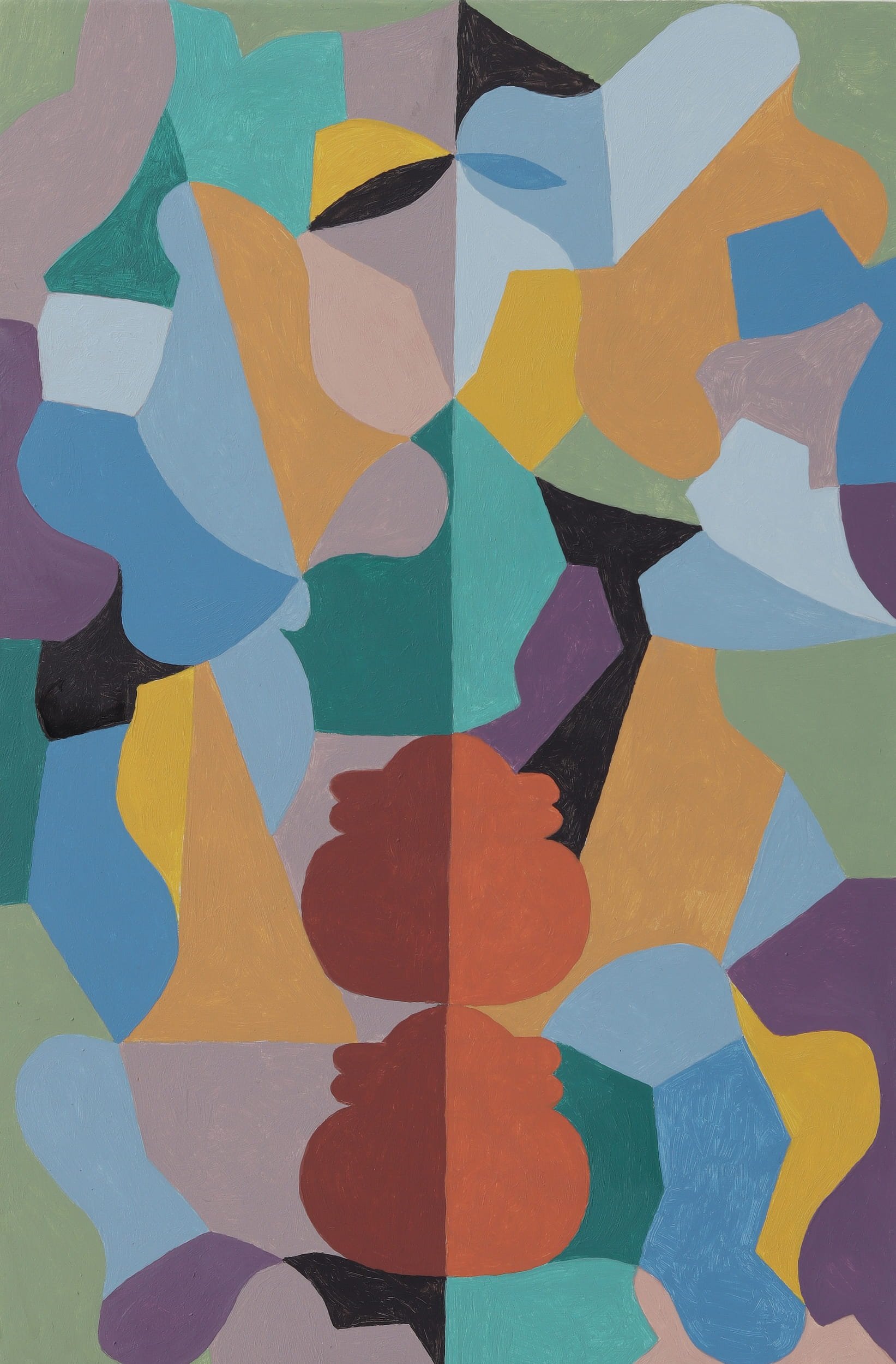
The Treasure of Hawthorn Hill, 2024, acrylic on wood, 31 × 21 cm
~
The Buckleberry Ghosts
At one time the people of Buckleberry village were afraid to go out at night because of rumours of a ghostly procession: four figures in white carrying a coffin would often be seen moving silently along its winding lanes. One night, the bravest man amongst them lay in wait with a big stick, and when the ghosts appeared he jumped out and started beating them. At this point the coffin was dropped and broke open to reveal a stolen sheep.
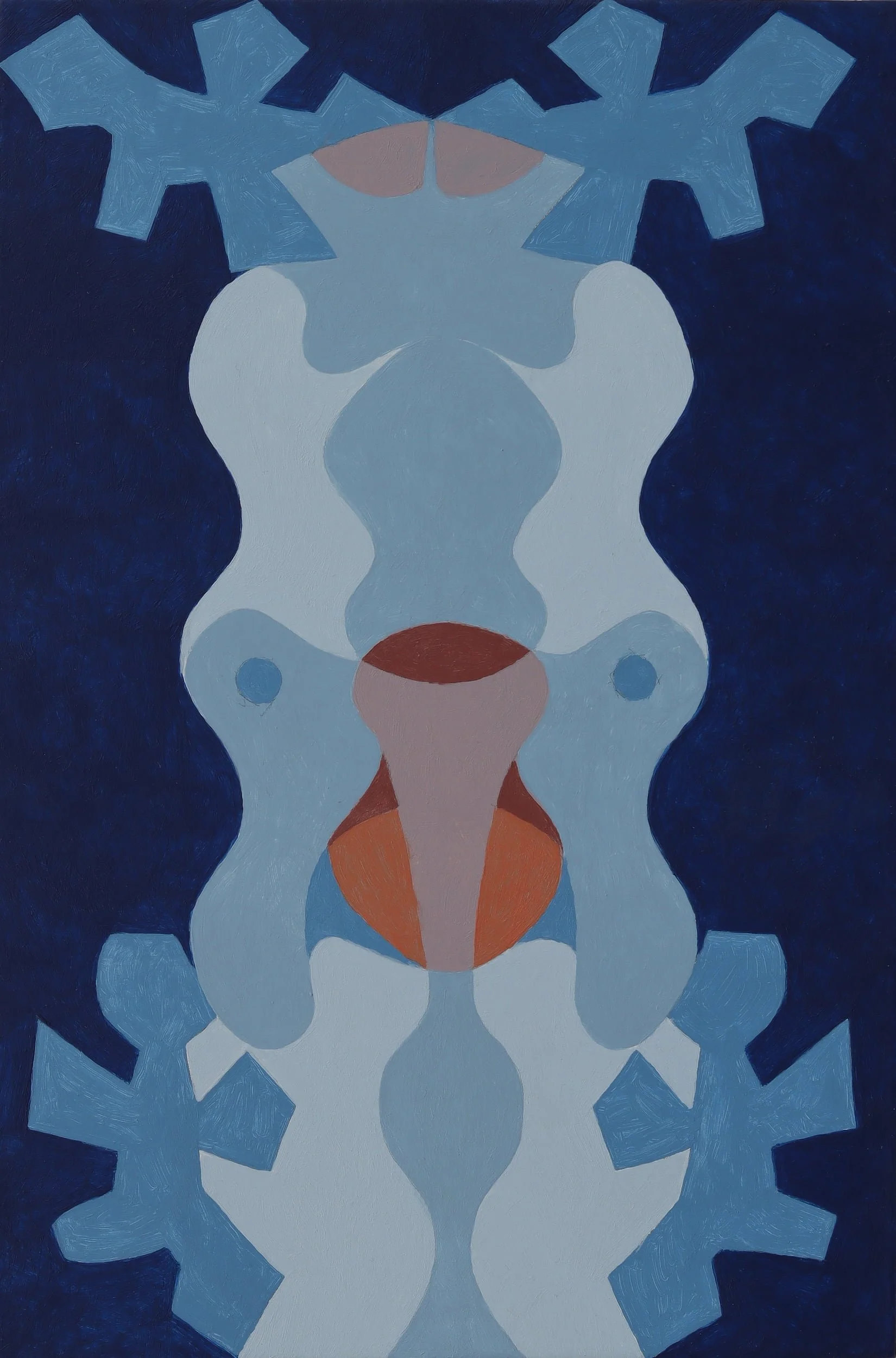
The Buckleberry Ghosts, 2024, acrylic on wood, 31 × 21 cm
~
The Winter Queen
Elizabeth of Bohemia was the older sister of Charles I. It is said that William, the first Earl of Craven, built Ashdown House for her as a refuge from plague-stricken London. Lord Craven felt lifelong devotion for Elizabeth. They first met when she and her husband, Frederick V of Bohemia, were living in exile at The Hague. Although not a word of love is expressed in the letters they exchanged when she died she bequeathed him all her pictures and papers.
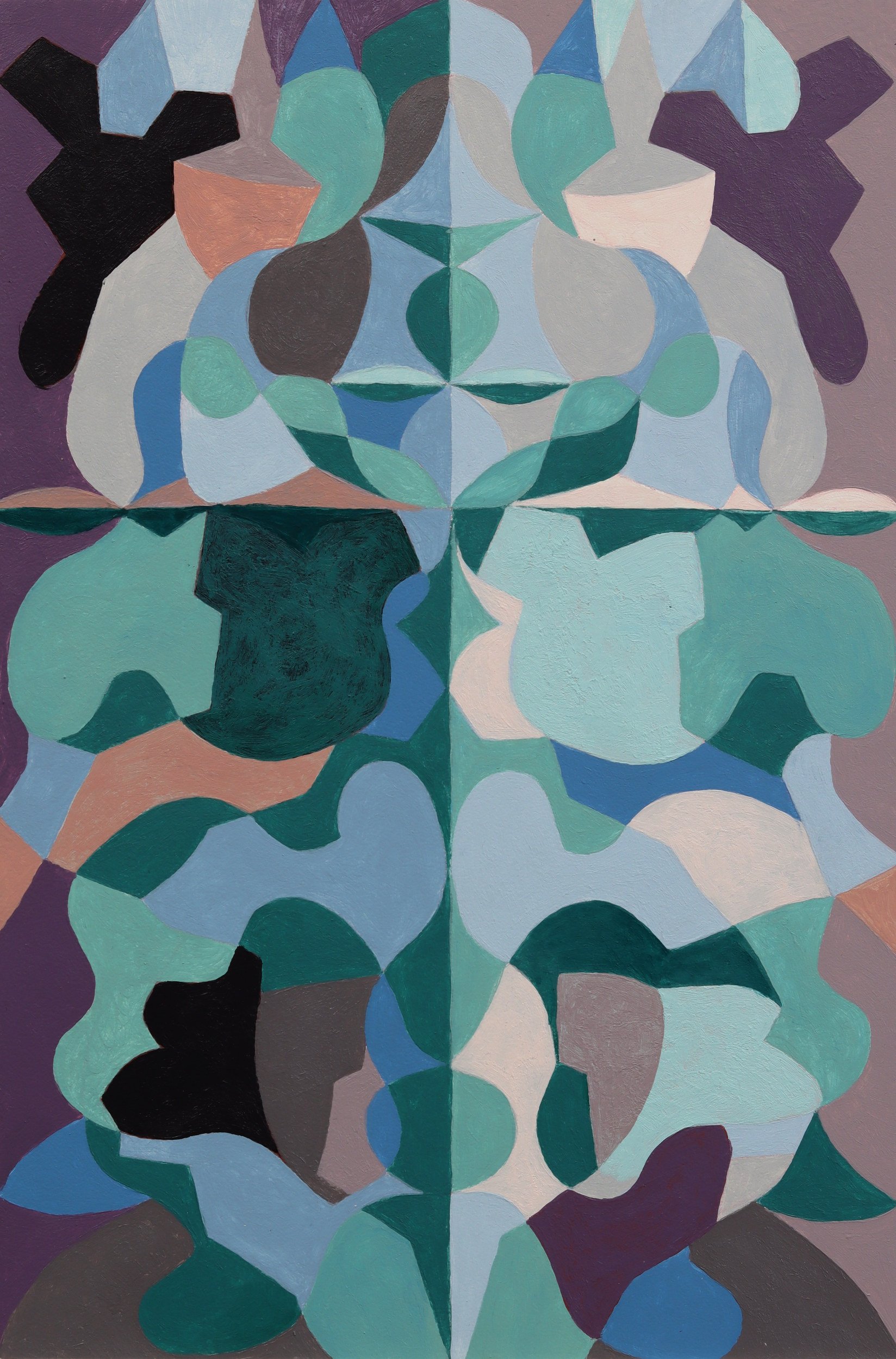
The Winter Queen, 2024, acrylic on wood, 31 × 21 cm
~
The Grey Lady of Shaw
Shaw House was built in 1581 by Thomas Dolman who made his money as a clothier in Newbury. In the October of 1644 the house witnessed the Second Battle of Newbury and although the house remained unscathed, hundreds of soldiers died in a standoff and many believe this plays a large part in the ghostly encounters witnessed on the estate, the ground and the main house. The Grey Lady is an apparition that has been seen in the upper rooms and on the staircase.
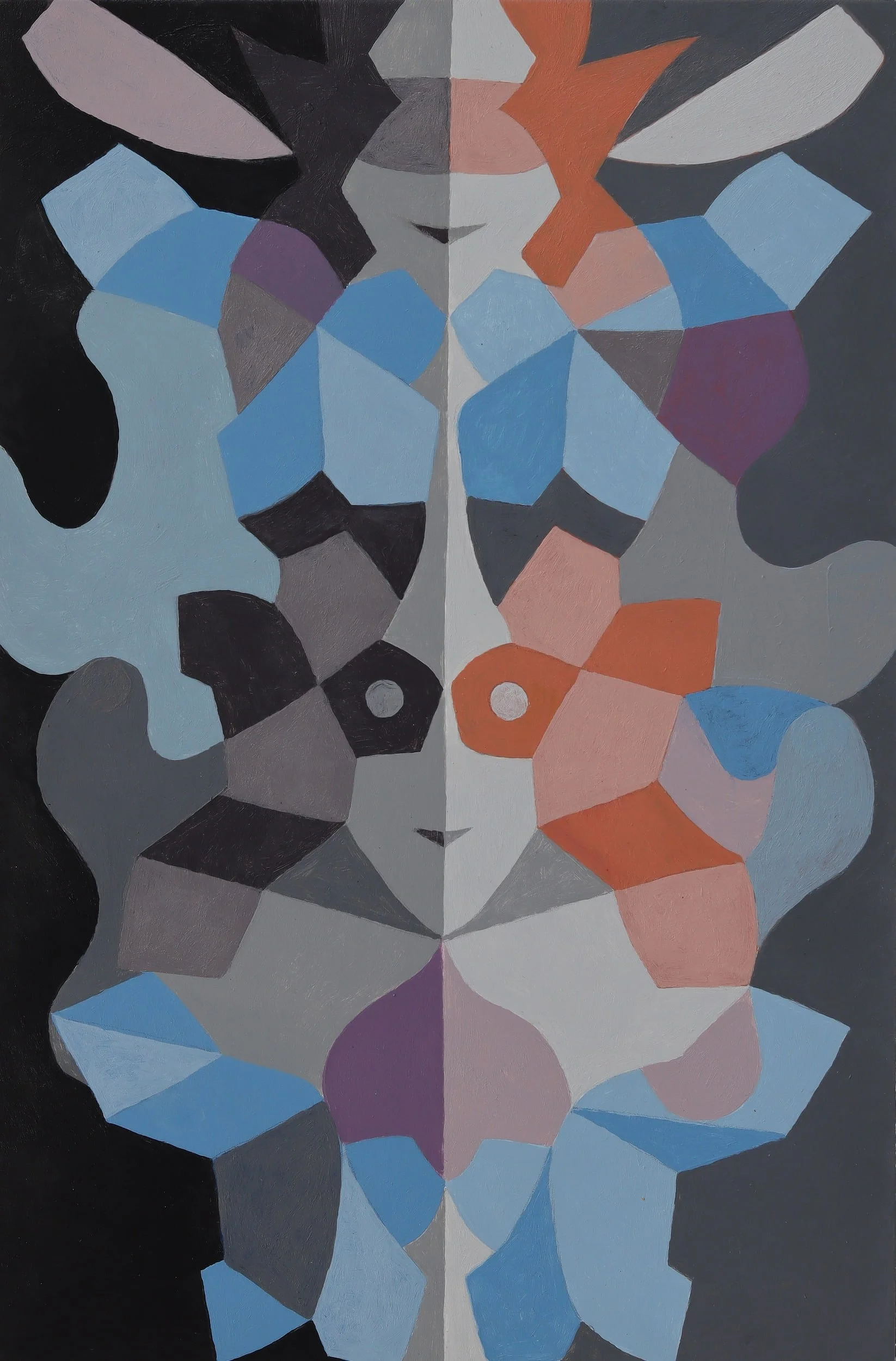
The Grey Lady of Shaw, 2024, acrylic on wood, 31 × 21 cm
~
The Cuckoo Pen
Two hills overlook Wittenham, Harp Hill and Sinodun Hill; the latter is also sometimes known as Castle Hill, for it is crowned by a hill-fort with a thick clump of trees within it. Villagers who planted these trees believed that they could trap a cuckoo so that summer would never end. The clump is jokingly known as Cuckoo Pen.
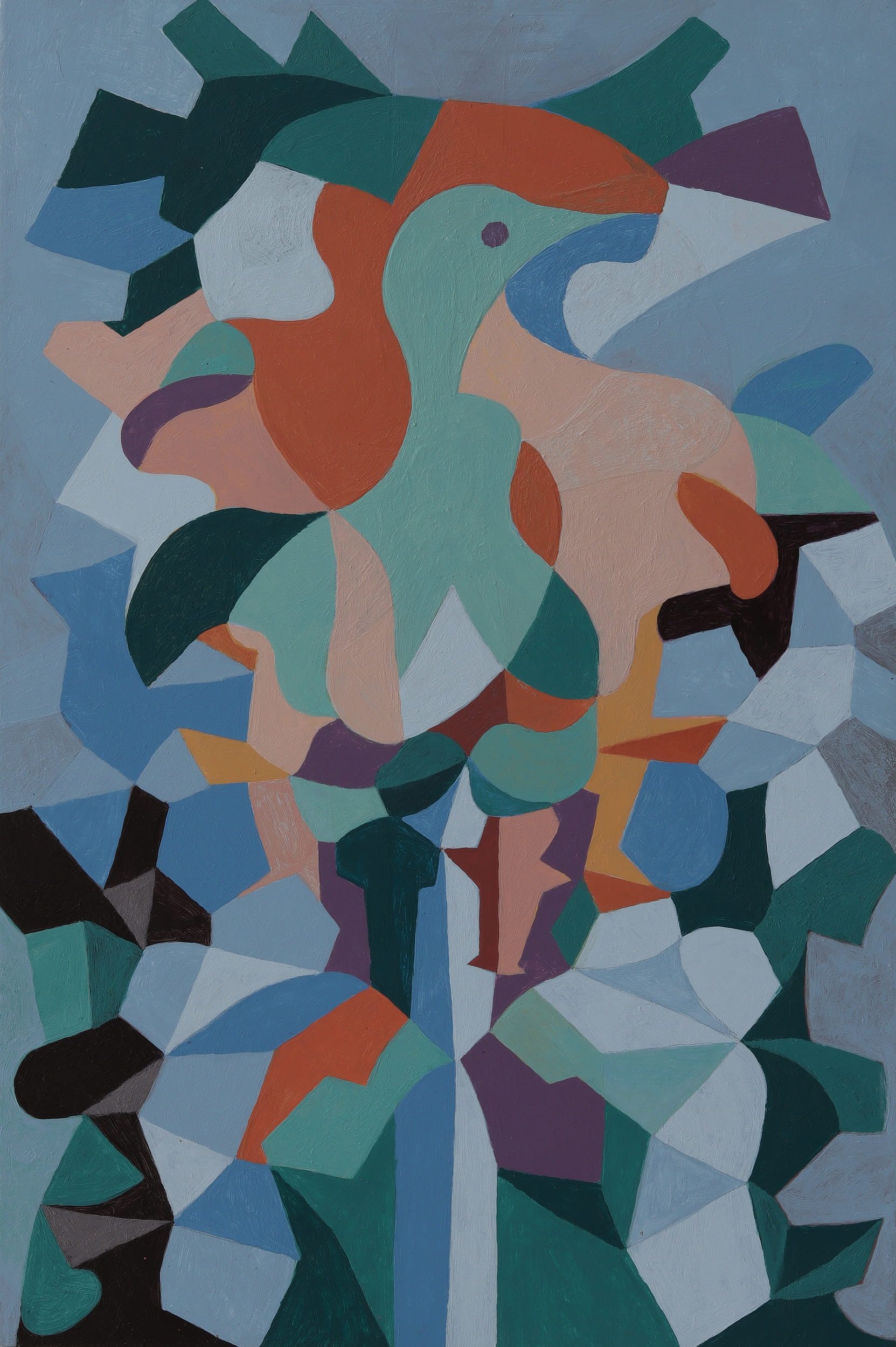
The Cuckoo Pen, 2024, acrylic on wood, 31 × 21 cm
~
The Green Lady
Donnington Castle dates back to 1386. Much of it has been destroyed but its gatehouse remains. There have been sightings of a green lady that appears to ask visitors why the gates are closed. Donnington Castle has had several other sightings, including a soldier who guards the gatehouse but then vanishes and a white dog that disappears towards the trees.
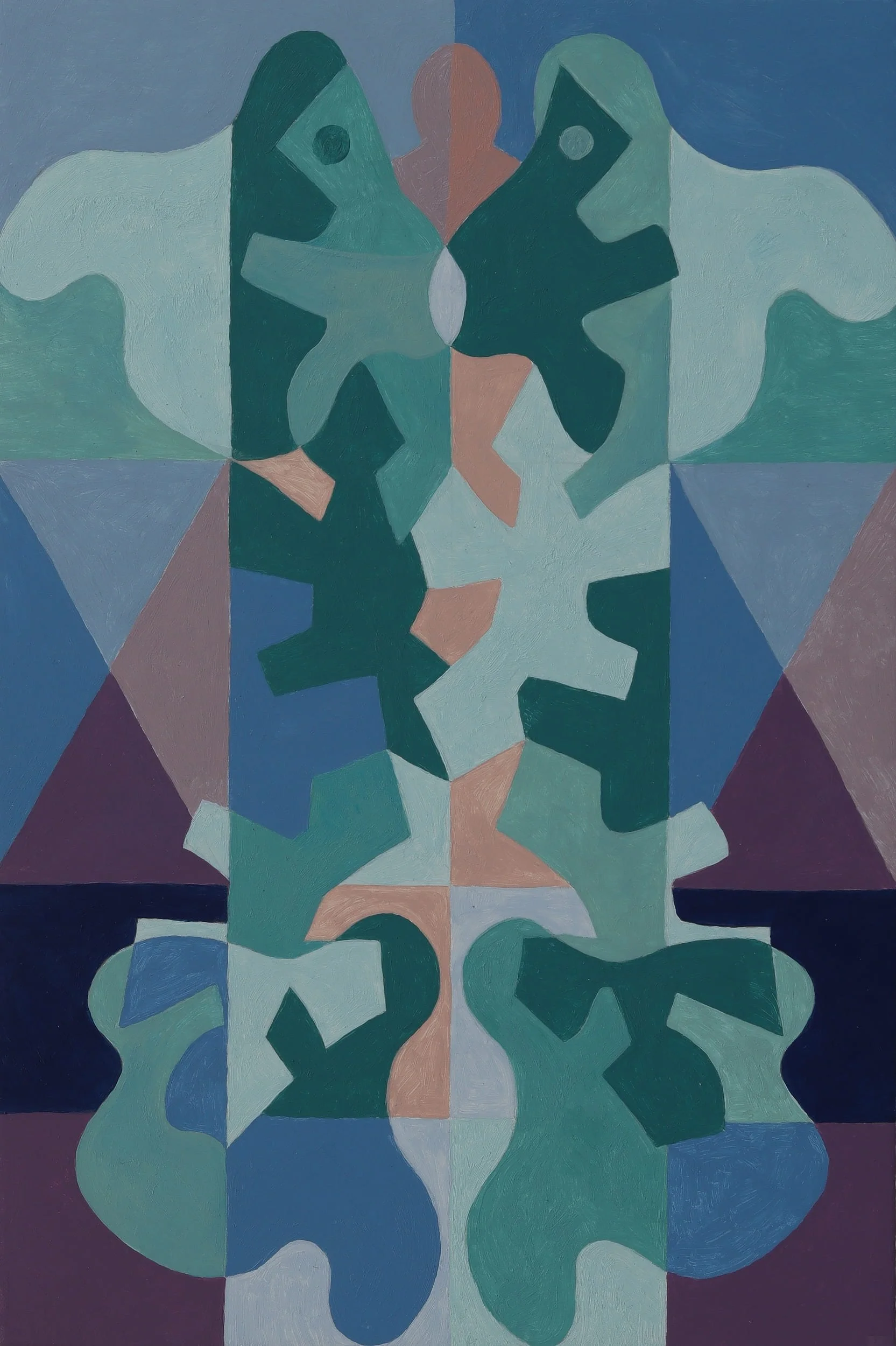
The Green Lady, 2024, acrylic on wood, 31 × 21 cm
~
I’ll be sharing more information on my 2027 exhibitions over the summer. If you aren’t already receiving my newsletter and would like to get all my news, invitations and offers then you can subscribe here https://www.fitzmaurice.works/subscribe