Thomas Houseago: Death's Sacred Mirror
Lévy Gorvy Dayan, London
June 4 - September 19, 2026
Exhibition website
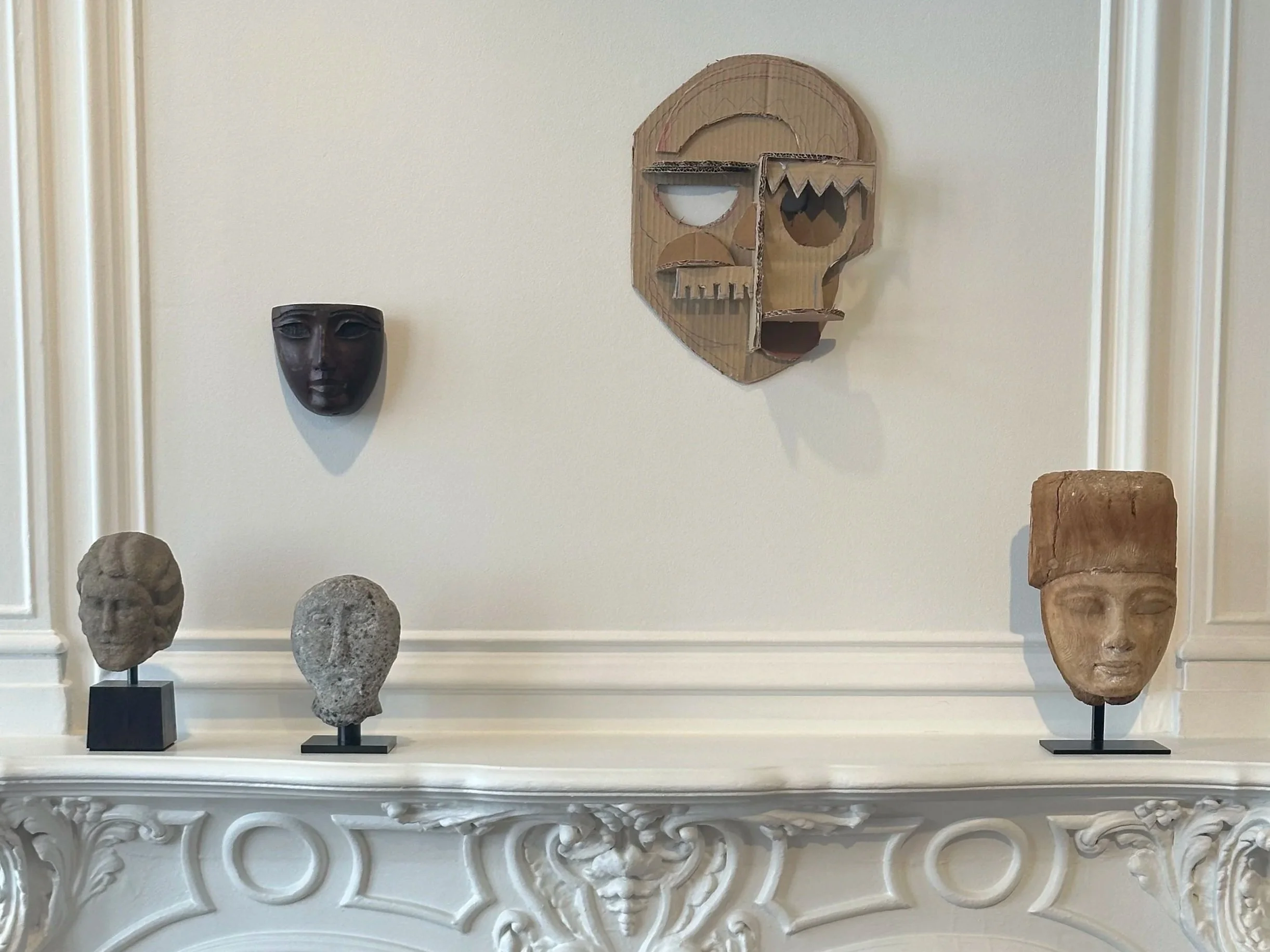
From left to right:
Romano-Celtic female head, 1st century BCE–1st century CE Sandstone
Egyptian carved wood mask, 1540–1295 BCE (New Kingdom, 18th Dynasty) Wood
Celtic limestone head from Ireland, c. 2nd century BCE–1st century CE Limestone
Thomas Houseago, Moon mask (For London), 2026, pastel on cardboard
Egyptian sarcophagus face fragment, c.1295–1069 BCE (New Kingdom, 19th–20th Dynasty) Wood
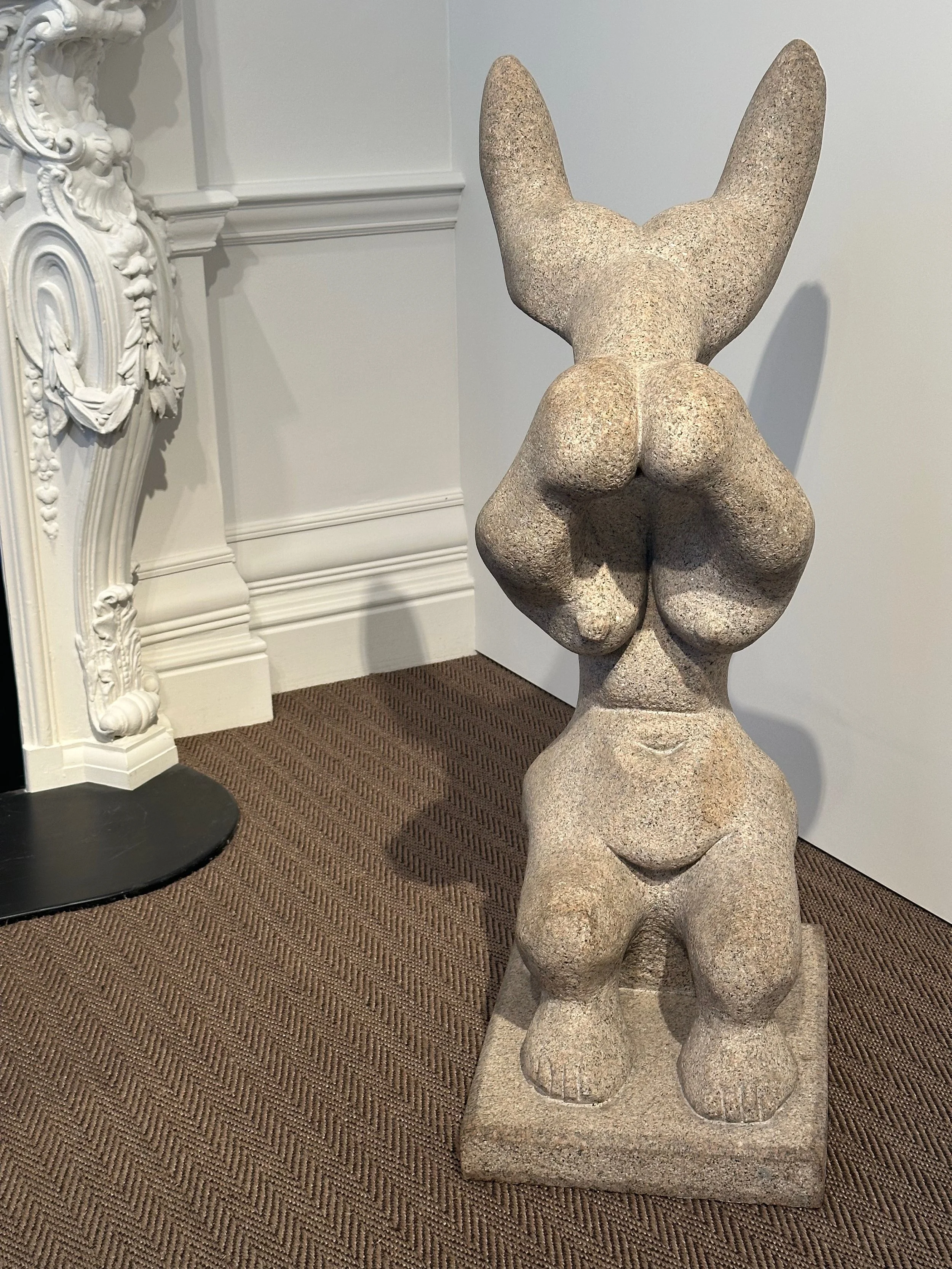
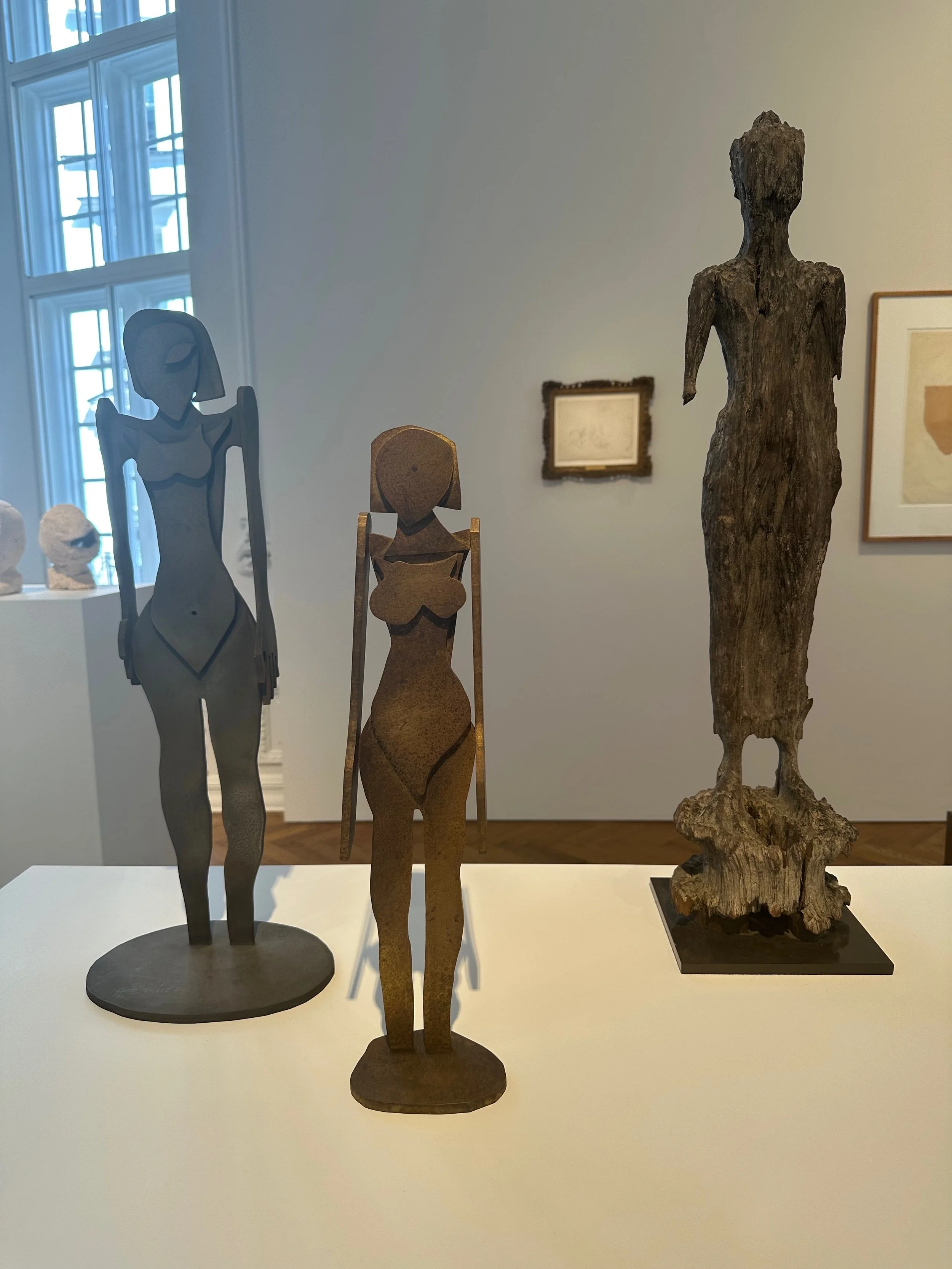
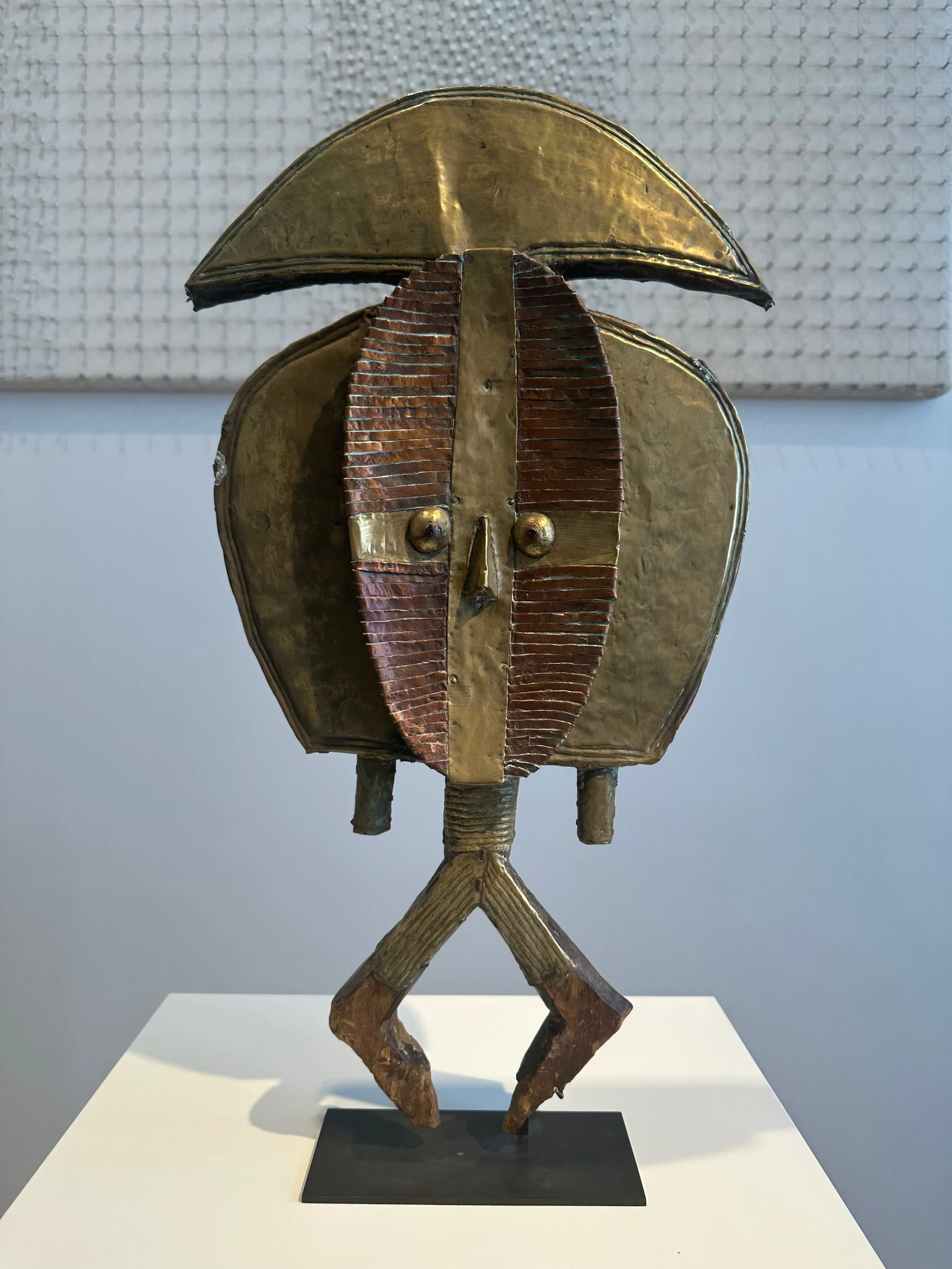
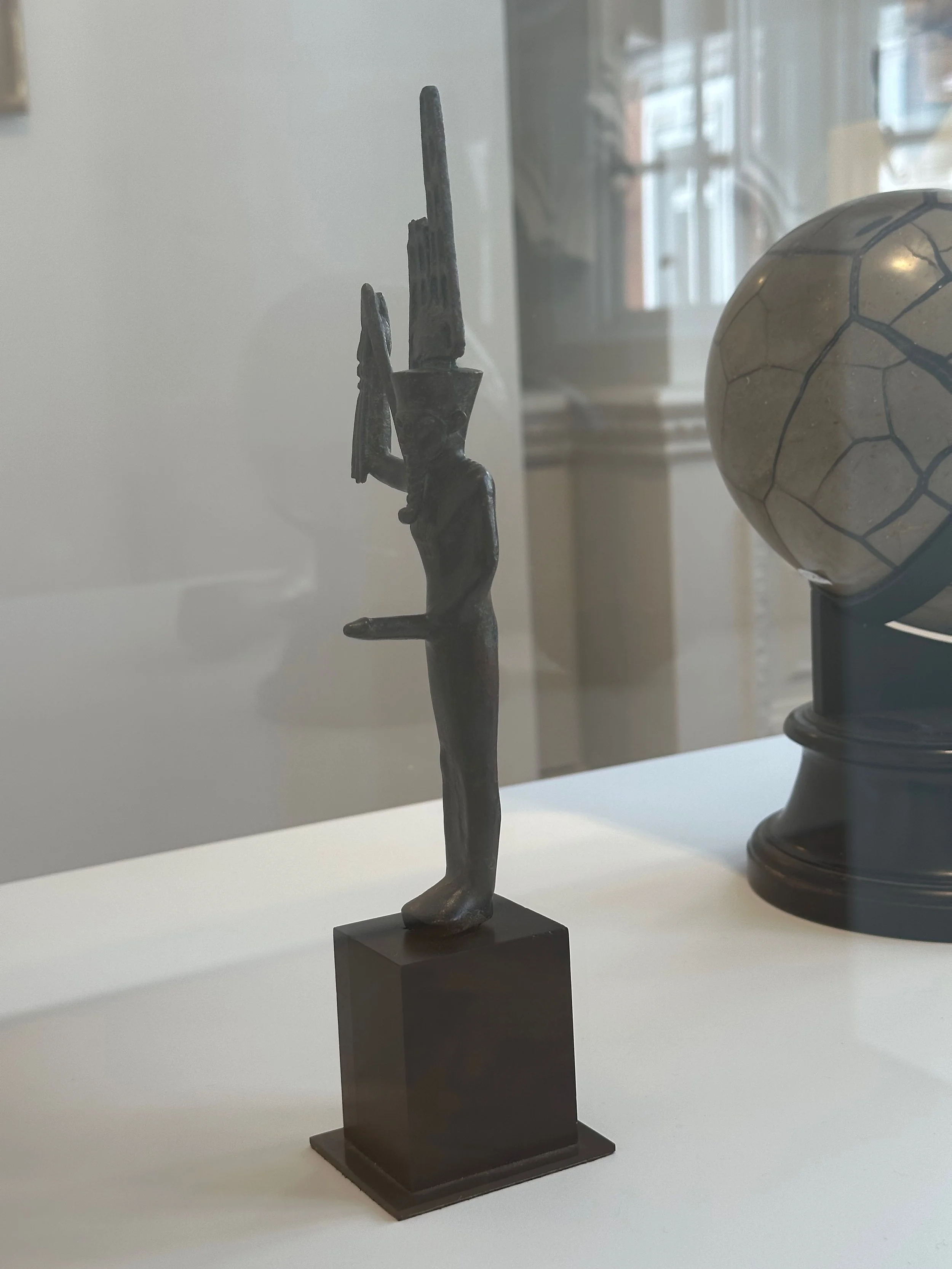
The idea of the artwork as bearing witness fascinates me. It is one that Houseago has focused upon by selecting works of art (both ancient and modern) to display alongside his own. The conjunctions, contrasts and formal rhymes are numerous and rewarding.
There is much here that you could say is 'right up my street'. Nearly every object involves one or more figures; the obsidian mirror and the Günther Uecker are exceptions, although one could consider the obsidian mirror still involves the figure, albeit implicitly.
Figural invention delights me, and it takes centre stage throughout the exhibition. There is a wit and humanity in the expression that operates independently of the time period and culture that brought it forth. We look, the artwork looks back. Life spans are not comparable. ars longa, vita brevis indeed.
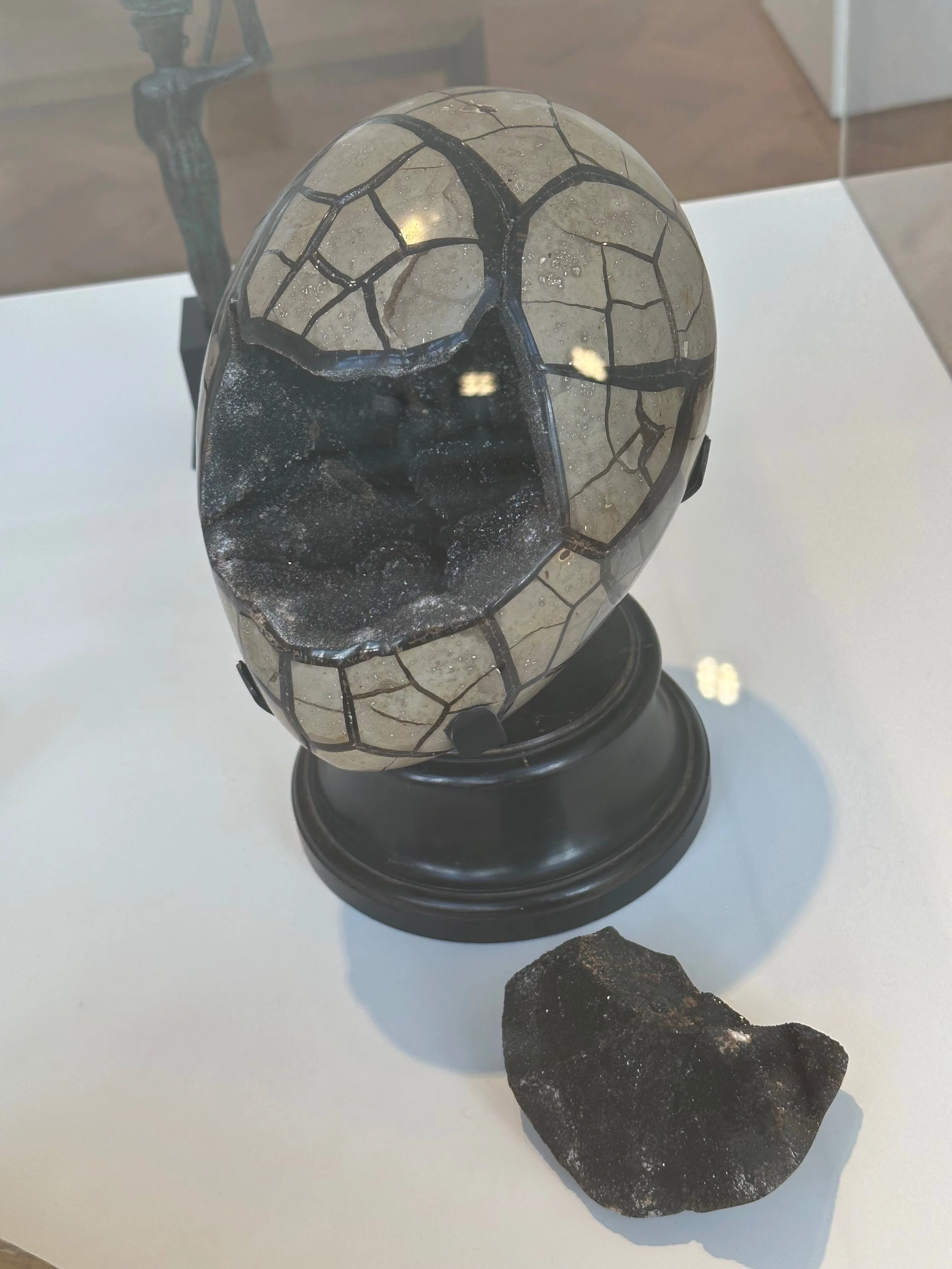
Perhaps the most surprising encounter I had was with a smooth, egg-shaped work that I thought was some sort of sci-fi influenced helmet from last century. I was only 175–145 million years out. The object was a septarian nodule, formed 175–145 million years BCE (Madagascar, Middle to Late Jurassic). It’s inclusion confirmed the feel of the exhibition as a cabinet of curiosities for the 21st century. I think I might have seen such nodules before in the Natural History Museum, Vienna, but this one is quite remarkable to behold.
I don’t wish to suggest this exhibition was a revelation. Over the years I’ve visited many museums and become familiar with art of most historic periods and cultures. The periods of most enduring interest to me are the ancient world (especially Cycladic, Han, and Etruscan) and Medieval art (especially Romanesque and Indian). I respond emotionally to such work, and those feelings are the horses that pull the carriage of study and understanding. I have seen many comparable and more famous examples, what makes this show worth writing about is how the works interact with each other, riffing like a silent jazz band. The sequencing and intervals make this one of the most satisfying exhibitions of sculpture I’ve ever seen.
I didn’t like the pairing of Kiefer and Van Gogh at the RA last year. Despite there being some creative touchpoints worth exploring, I couldn’t help feeling the underlying motive was to bolster Kiefer’s already major institutional standing. Yes, the setting for this exhibition is a commercial gallery, so of course the contextualising of the work of a living artist is for profit, however, In contrast to to the Keifer | Van Gogh, this show didn't feel at all hubristic; Houseago’s work was just part of the mix and was not given special treatment. There is even a risk Houseago's works can appear crude in this company, but I think I get his rationale. There is a fine line between appropriation and concordance, Houseago wisely avoids direct emulation, whether in terms of material or meaning.
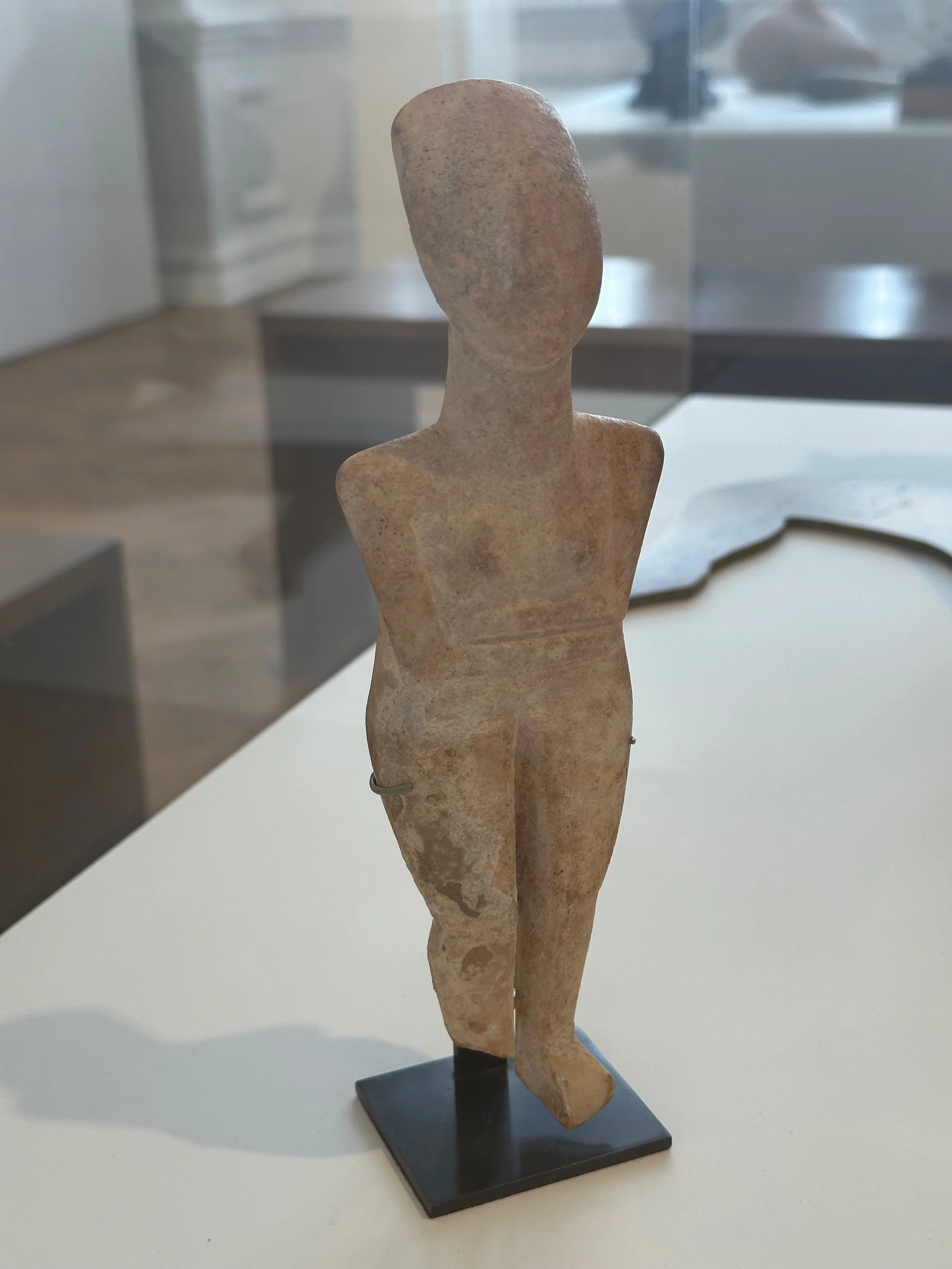
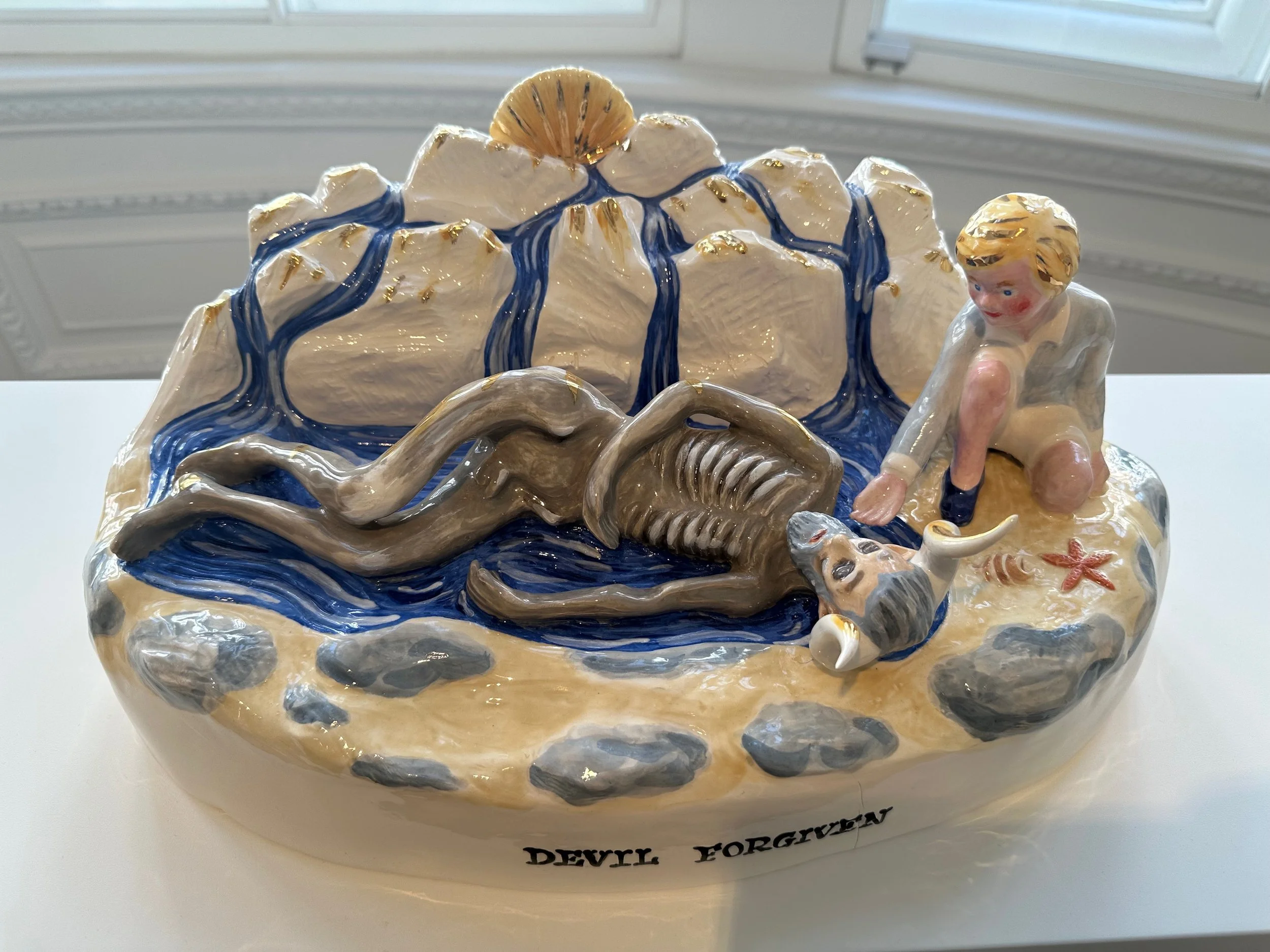
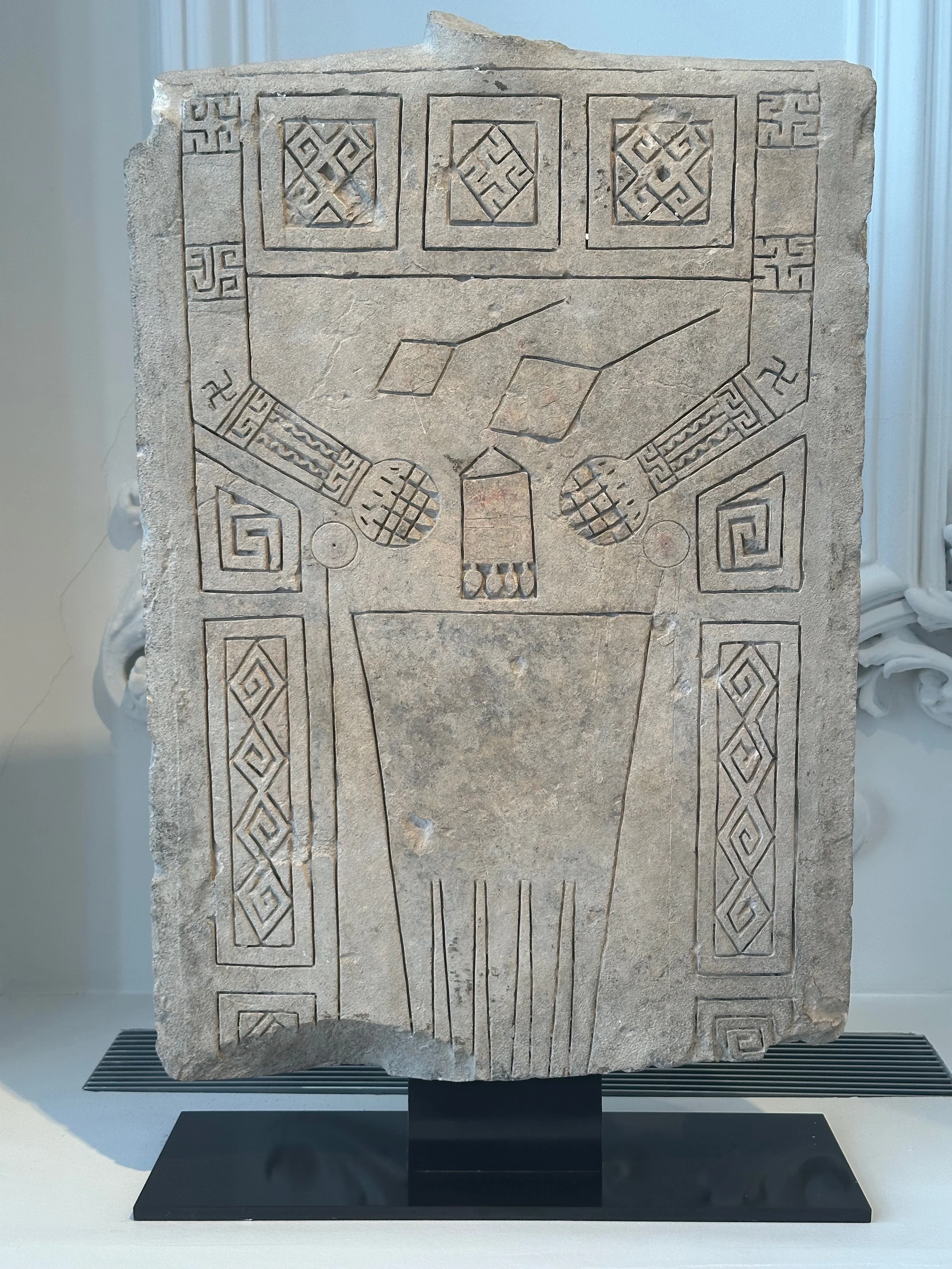
All in all it's a beautifully organised show, and well worth a visit if you are doing the rounds. There are over 50 works on display . Here are my top ten: